
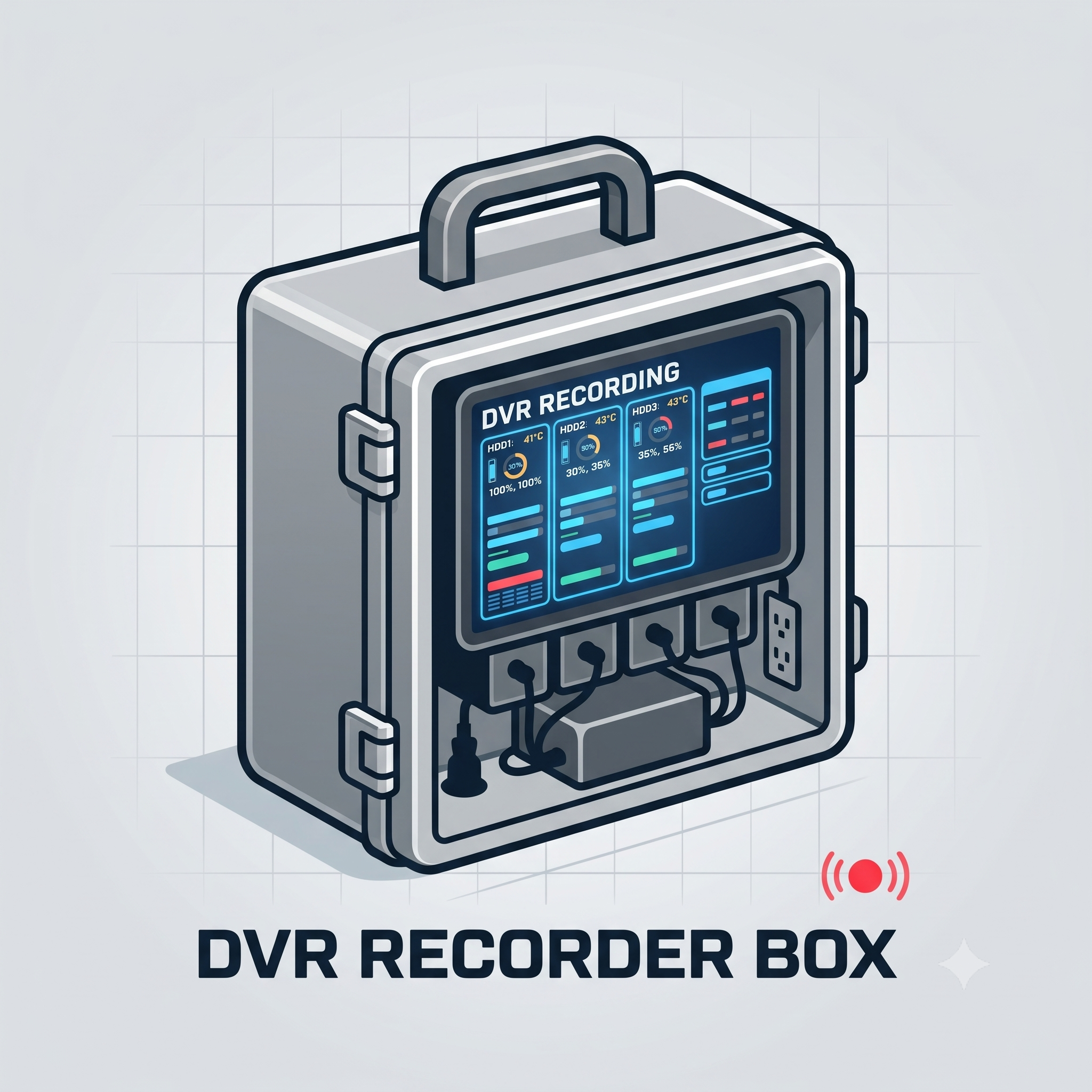
 Recorder Box: A Recording and Footage-Handling Device for video data collection
Published:
I built Recorder Box as a heavy-duty recording and storage Device from scratch using linux ffmpeg stream recording package in a waterproof 12”x12” enclosure which comes in handy in Computer Vision projects during data collection phase usable in harsh conditioned environments like animal houses. The goal was not just to capture video, but to make footage easier to manage, monitor, retrieve, analyze and review when multiple DVRs and cameras are involved. A diversity of meshed cameras with different types – analogue or IP cameras – and standardized output video files for further computer vision are supported.
This project is implemented on a compact Linux based embeded device that can sit in the field and keep working as a dependable recording hub and can totally replace NVRs and DVR tasks to capture data and record videos. It supports DVR-based setups, standalone IP cameras – with or without NVRs –, and mixed environments where several video sources need to be handled together as a standard source for further analysis for computer vision projects.
Why this system is useful
What makes this box valuable is the way it treats recording as an operational workflow, not just a background task:
- It can record from multiple video sources at the same time.
- It keeps footage organized in a well structured format by device and date.
- It makes stored recordings easier to browse, export, and review later.
- It supports remote access to saved footage from another computer on the network.
- It gives operators a clearer view of storage condition and recording status.
That matters in real settings in animal farms where video analysis software needs clean reliable video input source for computer vision analysis in real time or offline. Researchers also may need to find footage quickly, hand storage to another team, or continue recording without constant manual attention, which is done easily by this device.
Built for field practicality
One of the biggest strengths of this project is that the recordings remain understandable outside the recorder itself. Instead of locking footage into a hard-to-interpret proprietary format, the box keeps files organized in a way that is much easier to work with when footage needs to be reviewed elsewhere, when you detach the drives from the device and connect them to the computer directly.
This makes the system especially useful for:
- Offline Video analysis where footage is later reviewed or analyzed on a separate machine.
- Input source format standardization when multi-DVR or mixed-camera are involved,
- sites where storage drives are replaced or full disk drived need to be rotated,
The platform also emphasizes operational visibility. The box is meant to help users understand whether recording is healthy, whether storage needs attention, and when drives can be managed more safely. That kind of visibility is important in environments where the recorder may run unattended for long periods.
More than a recorder
I see this project as more than a simple DVR companion. It is a footage-handling platform that brings together recording, storage awareness, monitoring, retrieval and video analysis in one place. The result is a system that is easier to trust during everyday use and more practical when something needs to be checked, exported, or handed off.
GitHub repository: nimadarbandi/DVR-Recorder
Inside the box
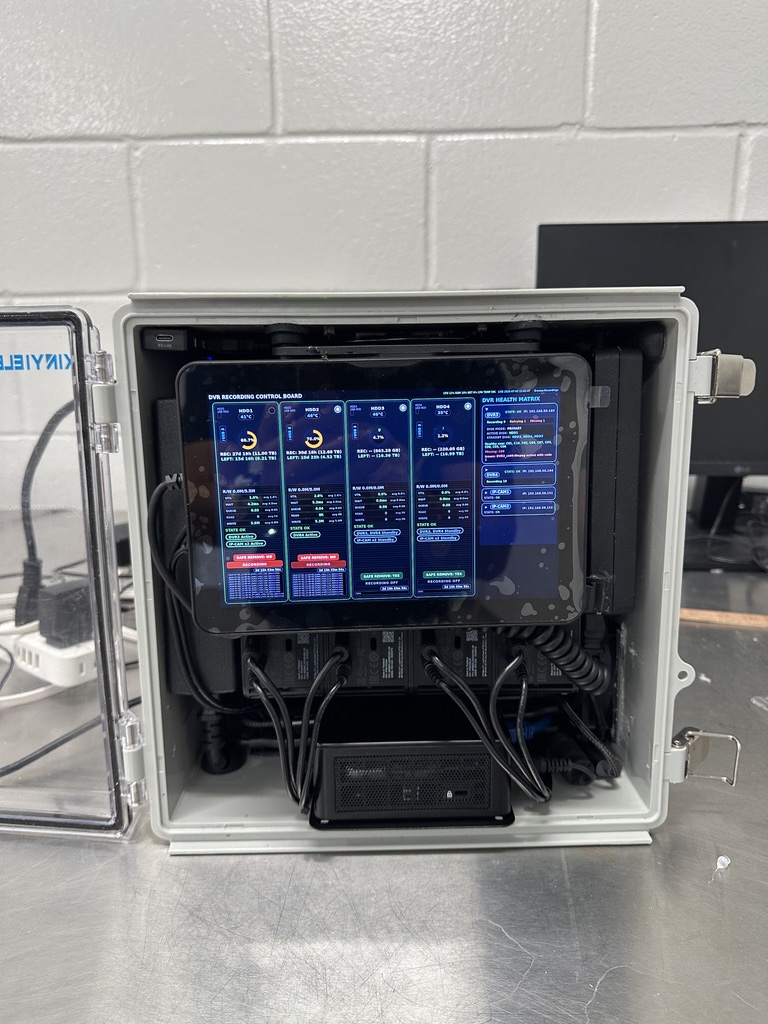
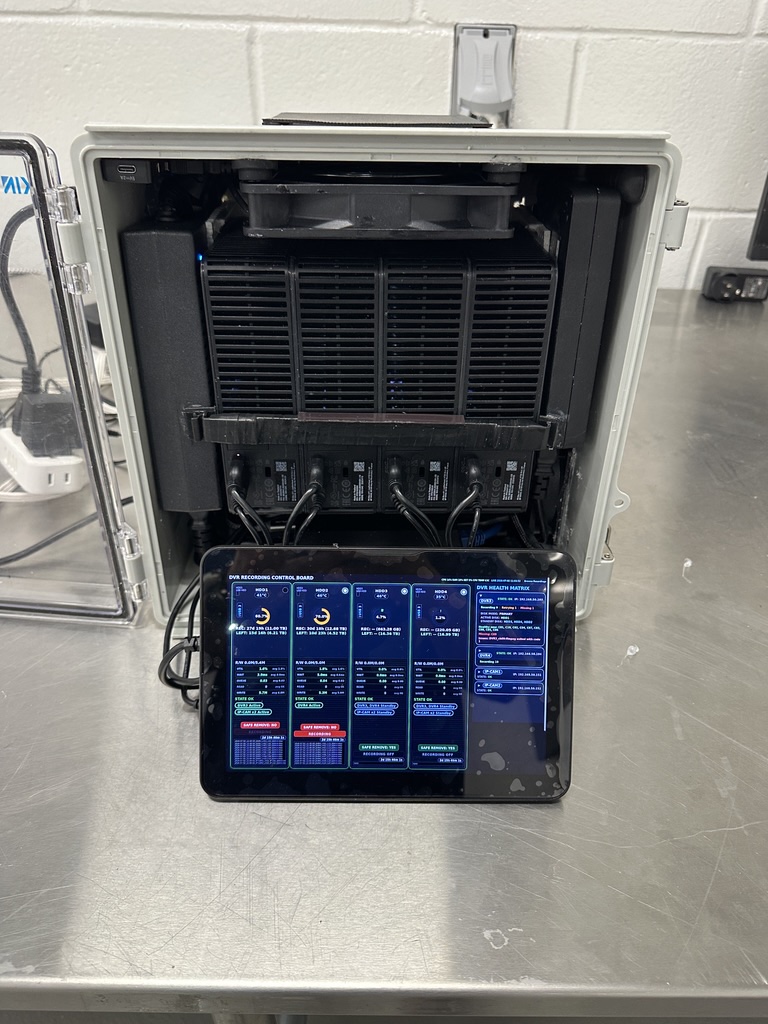
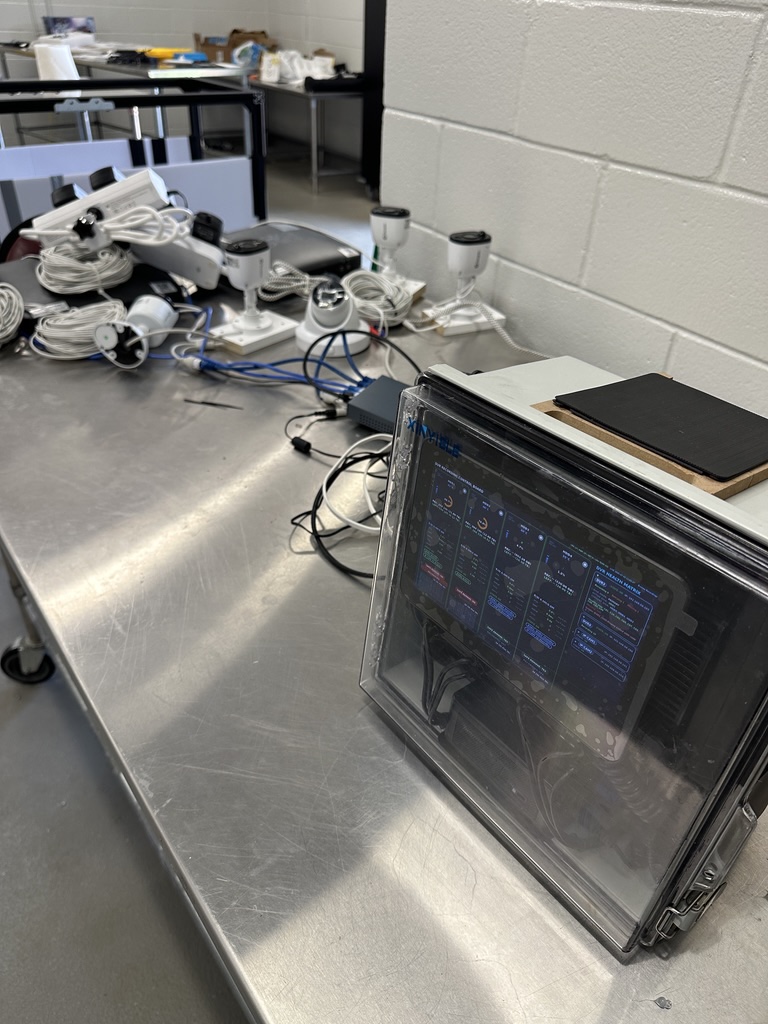
The images below show how the Recorder Box looks internally as a compact, practical recording unit.