

JIBBIK: A Compact Device for Managing Shared Internet Access in Companies
Published:
Organizations often depend on several Internet connections, yet managing them can be surprisingly difficult. A few users can consume most of the bandwidth, an outage at one provider can interrupt work, and keeping track of devices, quotas, and connection status can require more network expertise than a small organization has available.
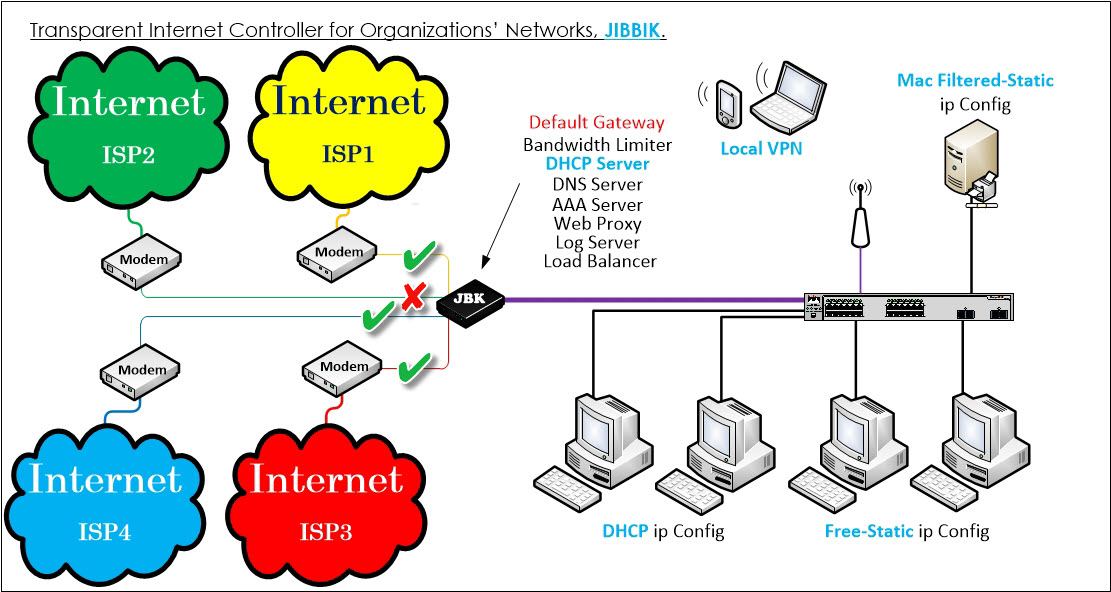
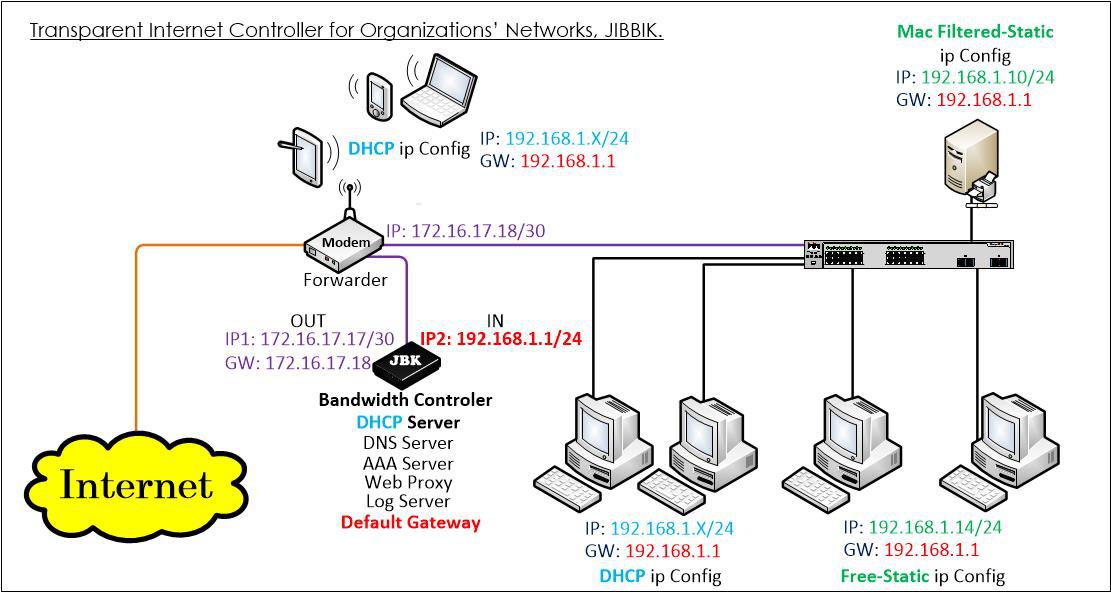
I built JIBBIK to make that work simpler. It is a compact network-management appliance that sits transparently between an organization’s Internet connections and its local network. From a browser-based interface, an administrator can combine and monitor available connections, set bandwidth distribution and quota policies for users and devices, and understand how Internet capacity is being used—without installing software on employee computers or changing their day-to-day workflow.
One device, a clearer view of the network
JIBBIK was designed for companies that need reliable, manageable Internet access but do not want to maintain a complex collection of networking tools. The platform brought the essential controls together in one place:
- Combining multiple ISP connections with load balancing and automatic failover
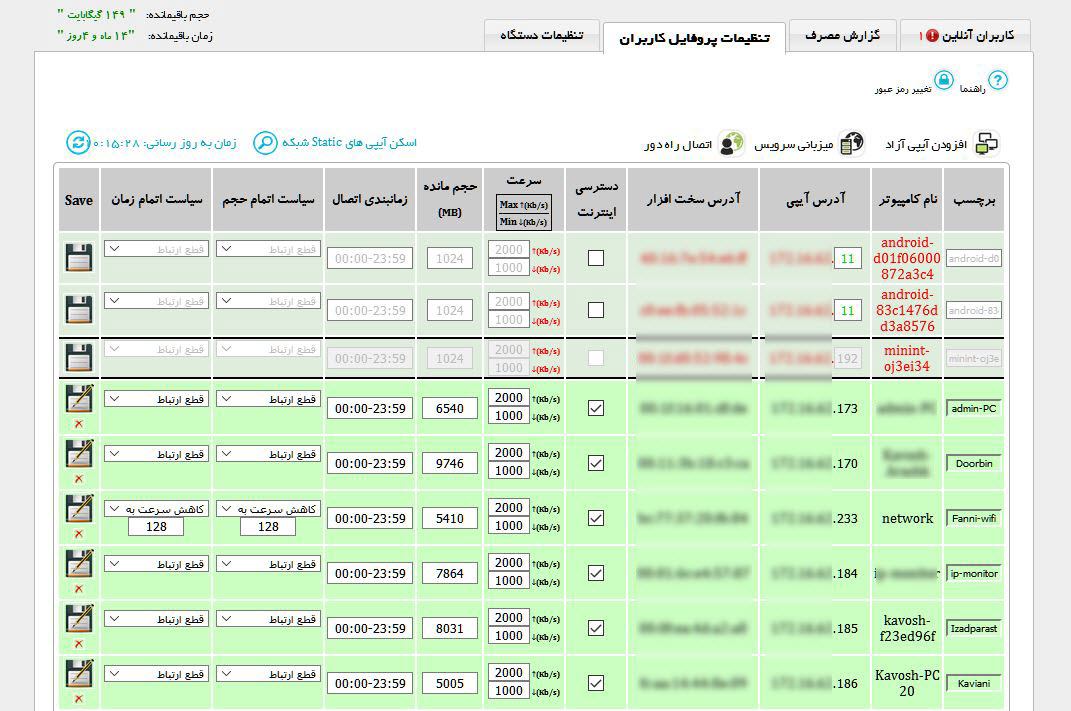
- Per-user and per-device upload and download limits
- Automatic detection of new devices, with one-click access management and no per-user authentication required
- Internet-usage quotas, reporting, and historical activity records
- DHCP, DNS, gateway, IP-address, and MAC-address management
- Support for static and dynamically assigned devices
- Website and routing policies, proxy services, and local VPN access
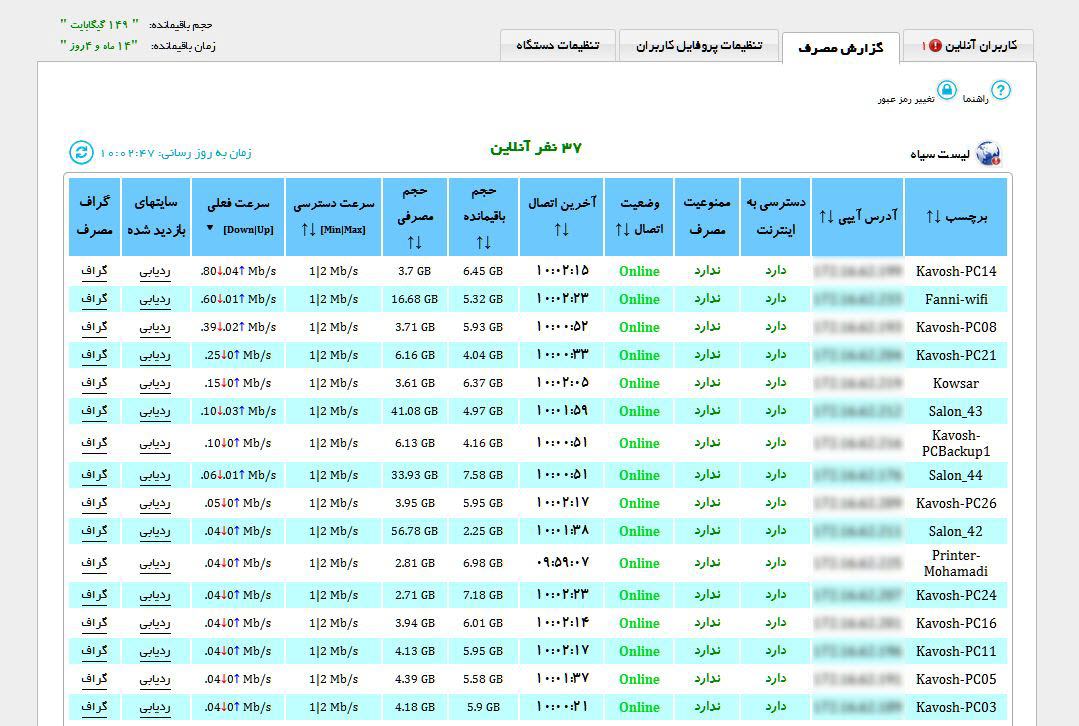
- A live view of online users, bandwidth consumption, and device activity
The result was better use of the Internet capacity an organization had already purchased, with less dependence on any single provider. If one connection failed, traffic could continue through the remaining links with minimal disruption.
Built from the ground up
JIBBIK was not a repackaged router. I designed and implemented the complete system: the network architecture, embedded software, backend services and database, monitoring engine, and the web interface used for daily administration.
At its core was a Raspberry Pi 2 running Ubuntu 14.04 LTS. I integrated it into a custom metal enclosure, added status LEDs, buttons, and active cooling fans, turning a small single-board computer into a practical device that could run continuously in an office environment.
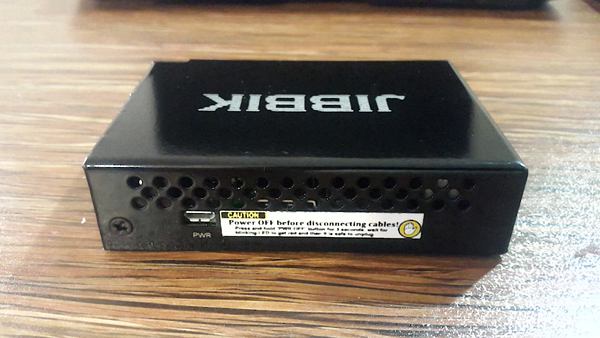
This hardware-software combination made the device approachable to deploy while retaining the flexibility of Linux for network services, logging, monitoring, and future improvements.
Designed for everyday operations
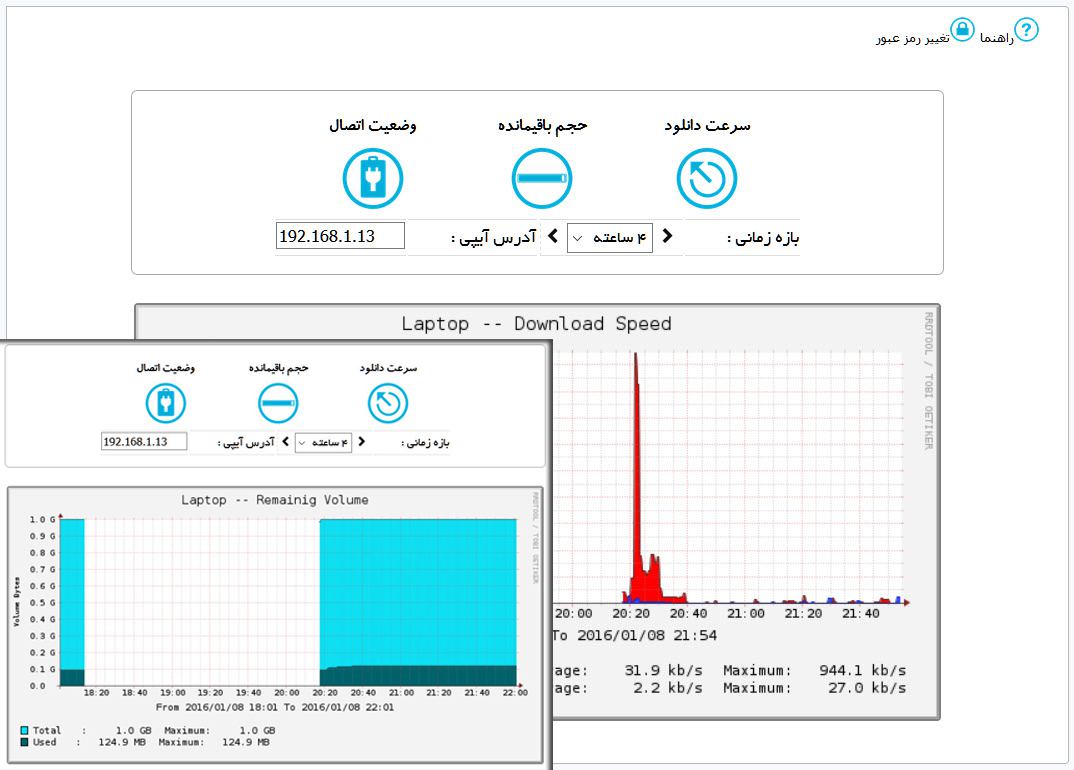
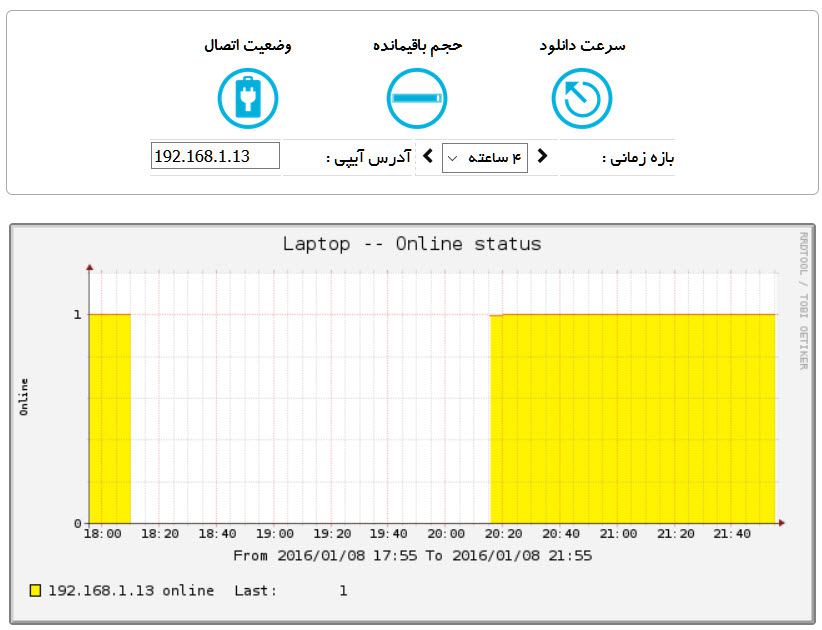
The management interface focused on the questions an administrator needs to answer quickly: Who is online? How much bandwidth is being used? Is a device consuming more than its allowance? Is the system healthy?
JIBBIK provided live and historical views of:
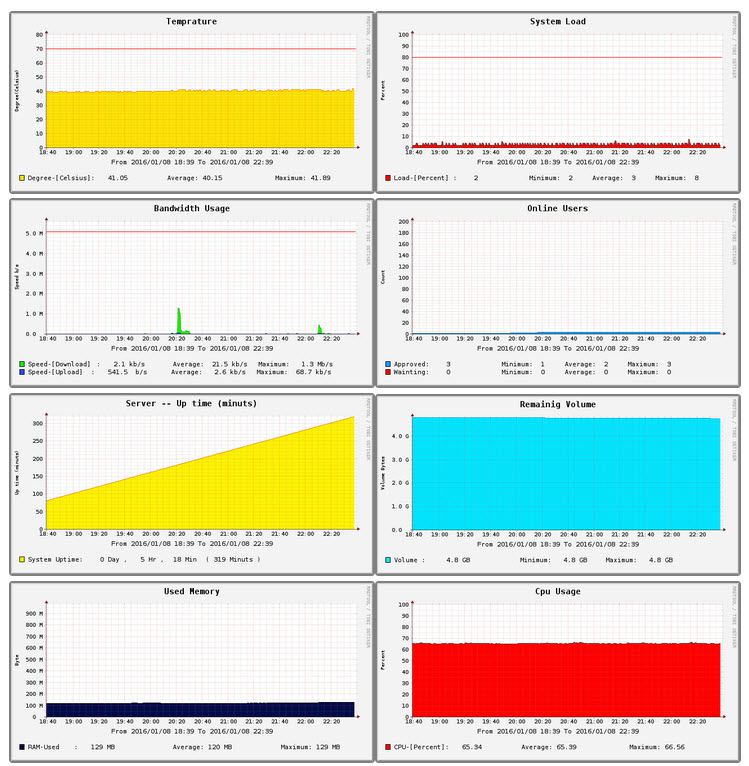
- Bandwidth usage and download activity
- Online users and their connection status
- Remaining data volume and user quotas
- CPU and memory usage, temperature, and system uptime
- Connection and administrative-event logs
Administrators could identify devices by MAC address, configure user policies, apply speed and volume limits, and manage Internet access from a central dashboard. This gave organizations a practical way to keep shared connectivity dependable and equitable without requiring specialist attention for routine tasks.
An early edge-computing project
Looking back, JIBBIK represents an early end-to-end edge platform in my work: a purpose-built device that combined hardware integration, embedded Linux, networking, backend services, real-time monitoring, data visualization, and a user-facing application.
Its goal was straightforward: help organizations make their shared Internet access more reliable, more transparent, and easier to manage. Building it from concept through field deployment was a formative experience in designing technology around operational needs—not just technical capability.
From prototype to real deployments
JIBBIK attracted industry attention and led to the sale of 20 devices for corporate and small-network environments. Those deployments confirmed the value of a compact, easy-to-administer platform for organizations that needed to share and manage several Internet connections without maintaining a large IT team.
I chose not to continue selling the device, not because the need disappeared, but because providing the level of ongoing technical support expected for a production networking product was beyond what I could sustain independently. Even so, the field experience showed how useful JIBBIK could be for businesses and smaller organizations looking for a practical, centralized way to manage shared connectivity.